25 years.
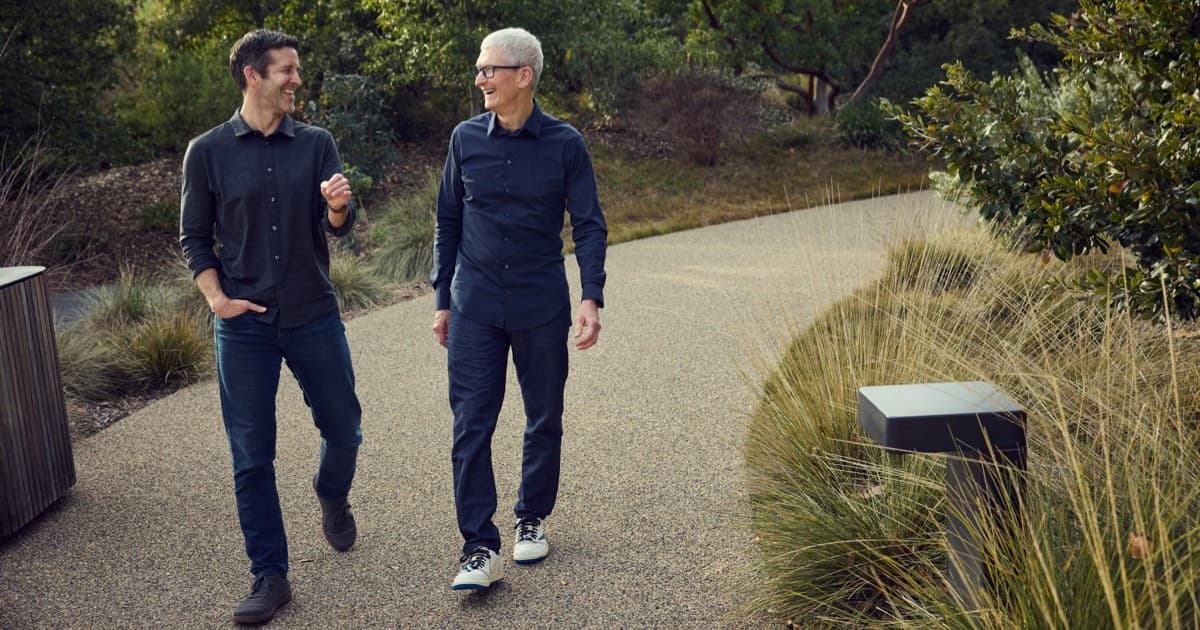
That's how long Tim Cook has been at Apple. He joined right after Steve Jobs' return in 1998, took over as COO, and ran the company as CEO since 2011. He grew Apple from a $350B company to a $3.5T juggernaut.
On April 20, 2026, Apple's board unanimously voted to transition the CEO role to John Ternus, Senior VP of Hardware Engineering. The switch is effective September 1.
Why Ternus
The most important question here isn't "when" – it's "why him."
For years, Wall Street assumed COO Jeff Williams was the heir apparent. Other names circulated too: services SVP Eddy Cue, CFO Luca Maestri, marketing boss Greg Joswiak. Williams was widely called the "CEO-in-training." Apple picked none of them.
Instead, they went with a hardware engineer.
| Era | CEO | Background | Era-defining issue |
|---|---|---|---|
| 1976–1985 | Steve Jobs | Co-founder | Apple II, Macintosh |
| 1985–1997 | Sculley/Spindler/Amelio | Marketing/ops | Near-bankruptcy |
| 1997–2011 | Steve Jobs (return) | Co-founder | iPod/iPhone/iPad |
| 2011–2026 | Tim Cook | Supply chain | Scale, services, global expansion |
| 2026– | John Ternus | Hardware engineering | AI, next-gen silicon |
Ternus is the first engineer-CEO at Apple since Jobs. That's not a personnel choice. It's a strategic declaration: the next chapter gets decided on hardware and silicon.
Ternus joined in 2001 as an engineer on the iPad design team. He oversaw early iPads, every MacBook Pro, and most iPhones. His biggest project was the Intel-to-Apple Silicon transition – kicked off in 2018, delivered with M1 in 2020. Why that matters: Apple's entire AI stack today sits on Apple Silicon. Neural Engine, unified memory architecture, on-device LLM inference. All of it.
The core problem he inherits
Apple is publicly perceived as behind in AI. That's now the consensus read.
Apple Intelligence, introduced at WWDC 2024, generated initial hype – but the flagship feature, "next-generation Siri," kept slipping. It was pushed at WWDC 2025, then delayed again, and as of early 2026 still hasn't shipped in full. Meanwhile OpenAI released GPT-5.4, Anthropic shipped Claude Opus 4.7, Google delivered Gemini 3.1 Pro.
Cook himself reportedly told employees multiple times this year that "Apple has to be a leader in AI." That's the context for this transition.
Ternus' defining challenges
Per CNBC's reporting, three issues will define the first phase of his term.
First, Siri and on-device AI. Apple Intelligence currently mixes Apple Foundation Model (AFM) and OpenAI's ChatGPT. The split is awkward. On-device model quality is bounded by size; server-side models lack clear public benchmarks. The line "is Apple an AI company?" stays blurry.
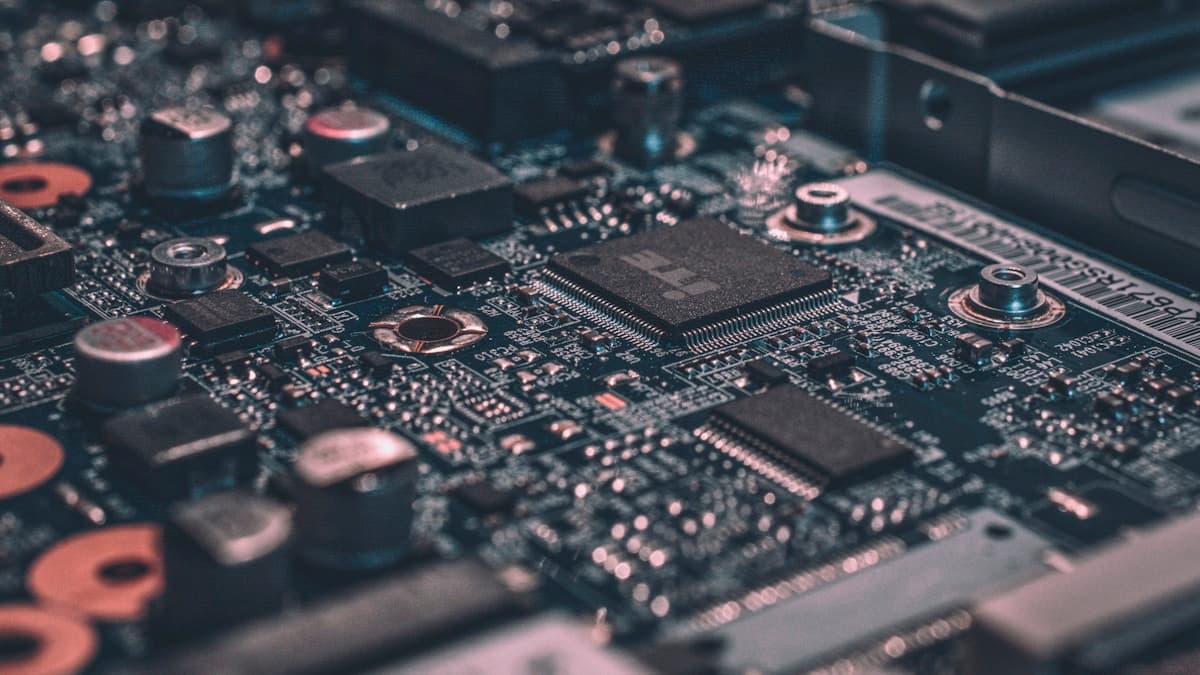
Second, silicon competition. Apple Silicon shook the PC industry in 2020. But for AI inference, the gap vs. NVIDIA H100/B200, Google TPU v7, and AWS Trainium 3 is widening. Ternus, who literally ran the silicon org, is likely to tilt future M-series chips toward AI inference workloads.
Third, hardware products. Vision Pro gen-2, an AI-centric iPhone 18, a rumored foldable iPhone – each is a candidate to be rebuilt as an AI-first device. Bloomberg's analysis calls this the clearest shift in Apple's product thinking since the iPhone era began.
The Ternus style
Apple insiders told Bloomberg that Ternus has "Jobs-era decisiveness." Where Cook builds consensus, Ternus is known for moving fast once convinced. His engineering review meetings are famous for long, sharp questioning.
I wasn't sure I belonged here.
That's Ternus himself, in a CNBC interview, describing his early days at Apple in 2001. That humility has been his signature across 20+ years of navigating the Jobs era and the Cook era both.
The broader CEO shift
Ternus' promotion is part of a larger 2026 pattern. Fortune called it a "CEO reckoning" sweeping corporate America. Intel, Starbucks, Disney – all have recently shifted leadership around AI or its adjacent challenges.
| Recent Big Tech CEO transitions | Out | In | Context |
|---|---|---|---|
| Amazon (2021) | Jeff Bezos | Andy Jassy | AWS-centric reorg |
| Google (2019) | Larry Page | Sundar Pichai | Alphabet structure |
| Microsoft (2014) | Steve Ballmer | Satya Nadella | Cloud + AI pivot |
| Intel (2024) | Pat Gelsinger | Lip-Bu Tan (interim) | Foundry rebuild |
| Apple (2026) | Tim Cook | John Ternus | AI + silicon |
The pattern: Microsoft rescued itself by moving from Ballmer to Nadella. Intel is trying to replay that with a semiconductor veteran. Apple just made the same bet, swapping the supply-chain era for the silicon-and-AI era.
Competitor CEOs stayed polite. Nadella praised Apple's hardware DNA. NVIDIA's Jensen Huang called the Apple Silicon team "world class." That's notable because Cook's Apple famously avoided NVIDIA GPUs. A Ternus-era Apple-NVIDIA AI infra partnership is not off the table.
What changes for you
Three plausible outcomes for users and developers.
First, bigger on-device AI. A silicon-centric CEO will push the stack so that iPhone/iPad/Mac can run larger local LLMs. Expect less dependency on cloud APIs, more on-device tooling via the Foundation Models framework.
Second, Apple Intelligence velocity increases. Siri next-gen, smart workflows, cross-app agents – projects stuck in "consensus" mode could unblock fast if the CEO personally prioritizes them. A realistic target: everything shipping by early 2027.
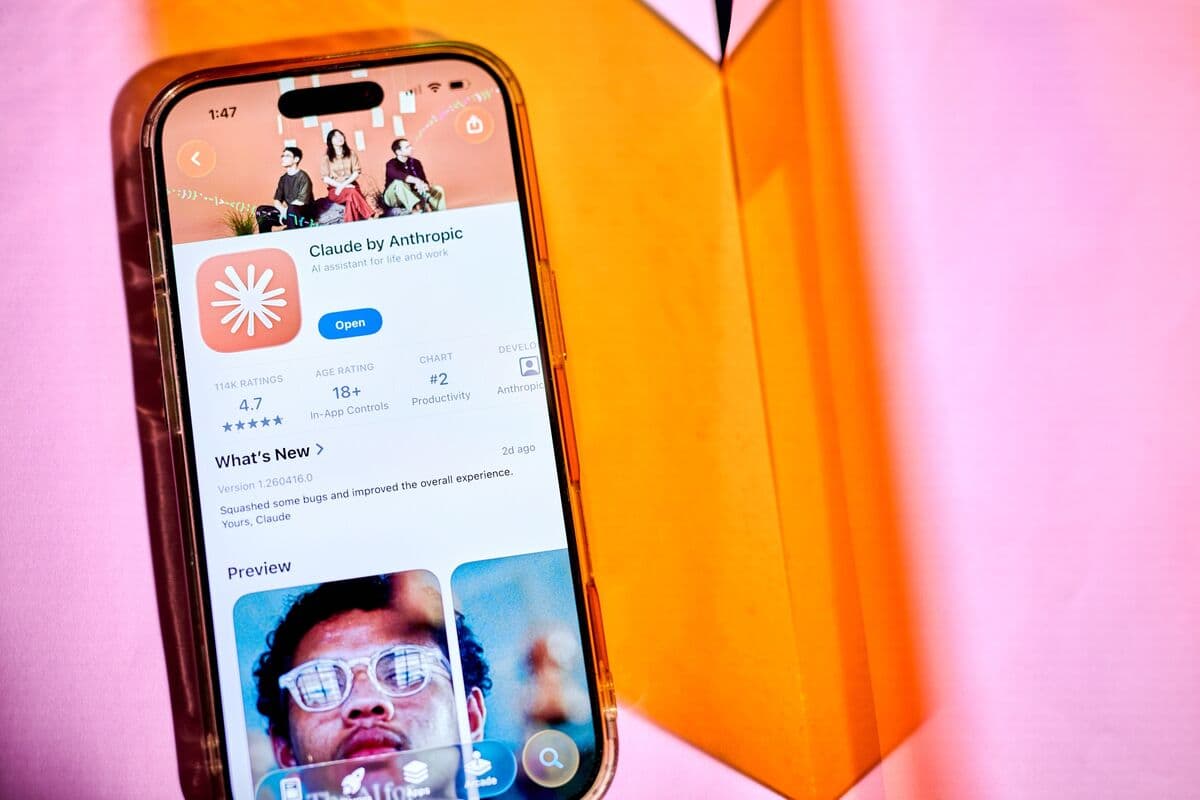
Third, broader third-party AI partnerships. Today Apple leans heavily on ChatGPT for non-local queries. Ternus is likely to widen that roster: Claude, Gemini, and possibly domestic Chinese models for that market. Note that Apple is already one of Anthropic's Project Glasswing launch partners.
Stock reaction will be muted short term – succession was expected, and Cook stays on as Executive Chairman. The real test is the first post-September-1 event: the fall 2026 iPhone launch or WWDC 2027. Whatever gets announced there determines whether the narrative flips from "Apple is behind in AI" to "Apple just caught up."
Cook built a $3.5T company. Ternus inherits it. Whether he can redefine it as the "AI-era Apple" is probably the most important Big Tech subplot of this cycle.