June became the month every announced release slipped
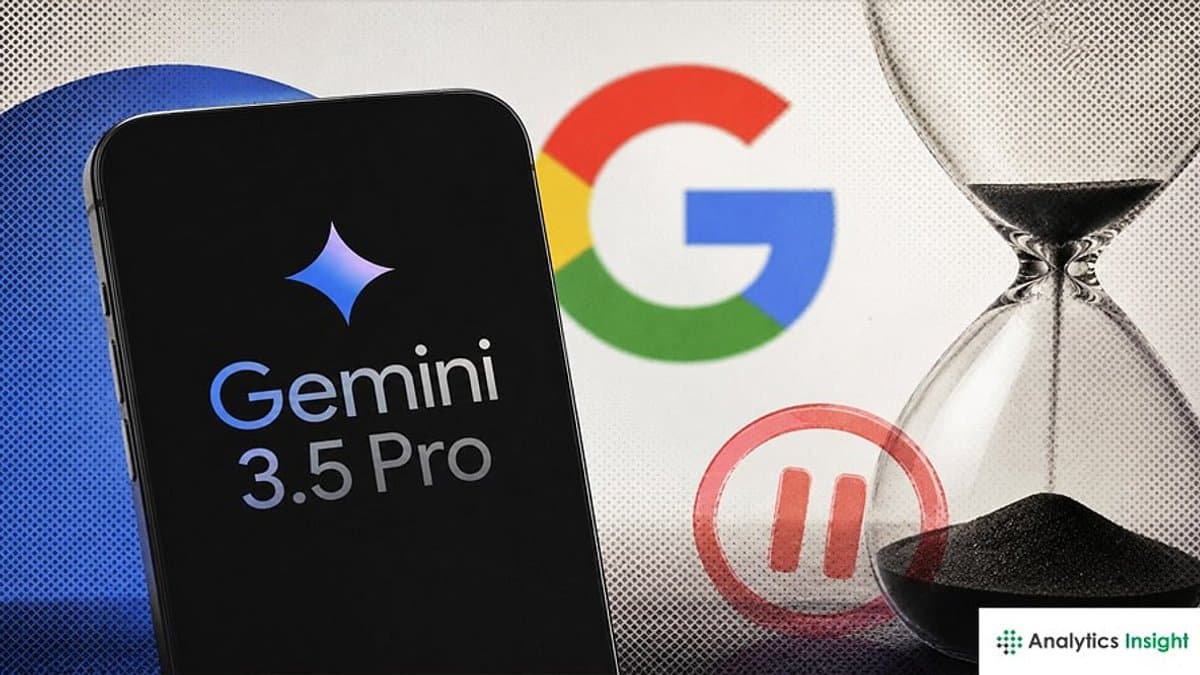
Here's the deal: almost every frontier AI model expected in June got pushed to mid-July. OpenAI's GPT-5.6, Google's Gemini 3.5 Pro, and xAI's Grok 5 all missed their June windows, and the new target for each is "mid-July." Add Anthropic's Claude Opus 4.7, reportedly aiming for the same mid-July window, and you have the next-gen flagships of the top four labs slipping — almost in unison — into the same two-week slot.
What makes this more than rumor: on Polymarket, the bet that GPT-5.6 would ship before June 28 hit 83% at one point. The market was nearly certain — and it was wrong. Google, for its part, officially said it moved Gemini 3.5 Pro to July to "further reflect feedback from early test users and real-world use cases."
So here's what we'll unpack: why four labs delayed at once, where each model stands, whether this synchronized slip is coincidence or a structural signal about the AI race, and what it means for you.
The players — four labs that stopped in the same month
First, OpenAI's GPT-5.6. The most anticipated of the bunch — Polymarket gave it 83% odds of a June launch, which is how imminent people thought it was. OpenAI reportedly believes internally that GPT-5.6 beats Anthropic's Claude Mythos, and yet even a model it's that confident in got pushed to mid-July. Instead, OpenAI is said to be weighing a separate new voice model this week — hold the big card, play a smaller one first.
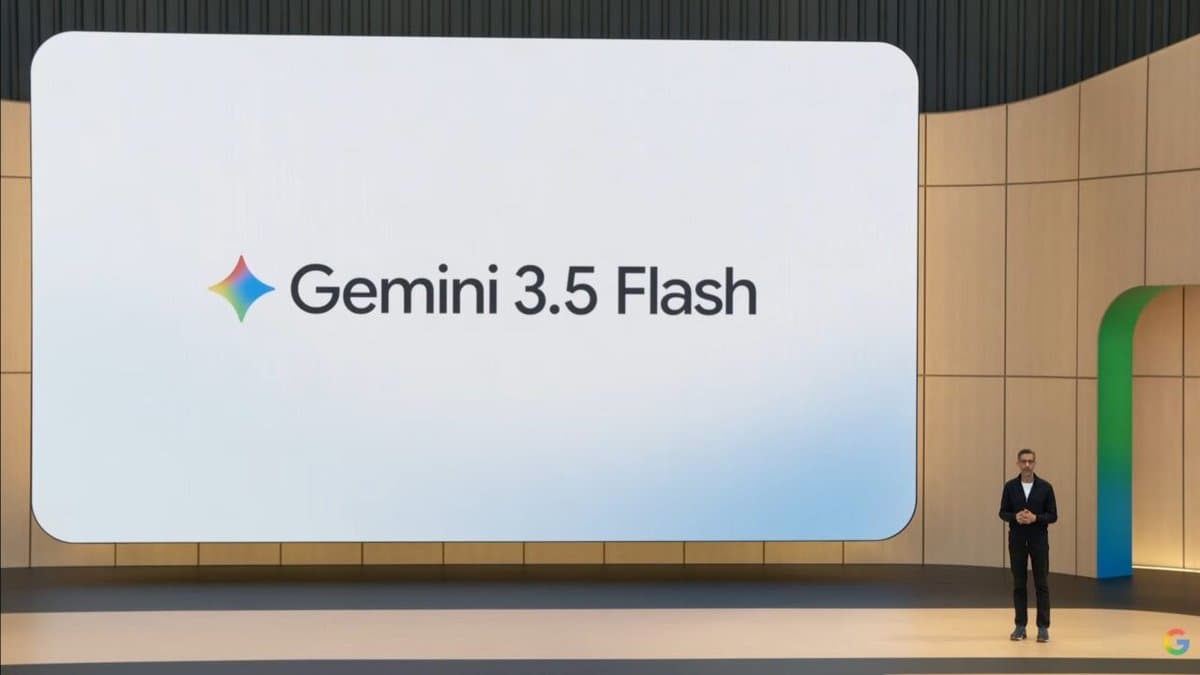
Next, Google's Gemini 3.5 Pro. The most openly acknowledged delay. Amid signals that DeepMind isn't satisfied with the model's current state, Google moved the schedule to July specifically to refine performance on complex tasks. The twist: its smaller sibling Gemini 3.5 Flash is already out and doing great. Flash scored 55 on the Intelligence Index — ahead of Claude Sonnet 4.6 (52) and Grok 4.3 (53) — pumps out 284 tokens per second, and shipped globally as the default in AI Mode. So Google shipped the small model confidently but decided the flagship Pro wasn't ready.
Third, xAI's Grok 5. Musk's aggressive cadence had June on the table, but it wasn't an exception to the trend. (That said, Grok 5's delay didn't get the same clear official confirmation as the others, so treat it as "caught up in the same June miss" rather than fully confirmed.)
The fourth lead is Anthropic's Claude Opus 4.7. Following Claude Mythos 5 GA and Claude Fable 5 Preview, it's the model meant to round out Anthropic's "summer release cycle" — also targeting mid-July. So all four labs have crammed their flagships into the same two-week window.
Tie it together: the next-gen flagships of the top four labs all broke their June expectations and slid into the same mid-July window at once. That's the spine of the story.
What's confirmed
Words scatter, so here's the table.
| Model | Lab | Expected | New target | Notes |
|---|---|---|---|---|
| GPT-5.6 | OpenAI | June (Polymarket 83%) | Mid-July | Separate voice model weighed |
| Gemini 3.5 Pro | Google DeepMind | June | July | "Feedback / real-world" official reason |
| Grok 5 | xAI | June | Mid-July (est.) | Weak official confirmation |
| Claude Opus 4.7 | Anthropic | — | Mid-July | Caps the summer release cycle |
Row by row. First, the Flash (shipped) vs Pro (delayed) contrast is telling. Flash already leads the Intelligence Index at 55, yet Google still held Pro — meaning the flagship has to clear a far higher bar than the lightweight. Points are banked with the small model; the big one can't go out half-baked.
Second, Polymarket's 83% missed. Prediction markets usually mix insider signal and crowd wisdom and tend to be accurate, yet even that market was near-certain about a June GPT-5.6 and got it wrong. Either OpenAI changed plans late, or "almost done" and "ready to ship" are further apart than the signals suggested.
Third — the real point — four labs piling into the same mid-July window. If it's coincidence, it's a striking one. If it isn't, it's a sign that they're watching each other's timing, each waiting so as not to go first. Model launches are no longer just about finishing the tech; they're a poker game about when you show your cards.
What each lab gets from waiting
OpenAI. Being confident GPT-5.6 beats Claude Mythos and still delaying means "win decisively or not at all." Ship it half-polished and land ambiguously on benchmarks, and people say "barely better than 5.5." Two more weeks for crushing numbers is better for the brand — and a voice model keeps the buzz alive meanwhile.
Google. Flash already planted the impression that "Gemini is fast and smart." Pro has to prove the flagship is a different class; stumble on complex tasks and it eats into the goodwill Flash built. Citing "feedback" as the official reason is, in effect, an honest admission that it isn't up to Google's bar yet.
Anthropic is a slightly different case. It's already running its summer cycle with Mythos 5 and Fable 5, so there's no rush. Parking Opus 4.7 in mid-July keeps it present in a window crowded with rivals — and, true to a lab known for safety rigor, signals it won't hurry a flagship.
The surprise winners: users and developers. A two-week delay costs you nothing real. A better-validated model beats a rushed one. The only casualty is the fantasy that AI progress is infinitely fast.
Past parallels — wins and losses
Delaying a launch is common in tech. The familiar pattern is "delay for polish." Big software and games get flak for slipping, but if they come out refined, the delay ages well. AI models are the same: better to wait than to lose both benchmarks and reputation with a rushed launch.
The counter-pattern is real too: "delay so often the air goes out of it." Hype something endlessly and people respond to the eventual release with "that's what you held it back for?" GPT-5.6, having been pegged at 83% and missed, now carries the burden of being strong enough to justify the two-week slip.
Also worth remembering: the "simultaneous launch war." Rivals have crowded flagships into the same stretch before, blowing up a single week of news. If four models land in mid-July, expect dozens of benchmark tables and a "who's No. 1" brawl — and the risk that individual models get buried in the noise. How you avoid being drowned out is as much a strategy as when you ship.
Competitors' counter-plays
The sharpest counter-play is Google's Flash-first move. It delayed Pro but shipped Flash to grab the Intelligence Index crown. While rivals push flagships to July, Google claimed "smartest fast model available right now" in June. Save the big card, score points with the small one.
OpenAI's voice-model card is similar logic: hold the GPT-5.6 fortress, take this week's headlines with voice. It also blankets the negative "GPT-5.6 is late" story with a positive "new voice model" one. Timing itself is a weapon now.
Anthropic's restraint is a different flavor of counter. Already cycling with Mythos and Fable, it isn't pressed. Parking Opus 4.7 in mid-July to differentiate on safety and reliability when rivals collide in the same window — same day, different weapon.
So what actually changes
If you're a developer or power user, for now it's just "wait two weeks." But four models will likely drop together in mid-July, so be ready to compare benchmarks and pricing that week. Rather than locking deeply into one model now, leave room to switch once the mid-July lineup is visible.
If you watch the industry, this synchronized slip may signal that the era of easy gains is ending. Past the stretch where more data and compute reliably pushed scores up, final polish may now take longer. Too early to be sure — but four labs hesitating in the same month is worth chewing on.
If you're a general user, honestly nothing changes. Keep using what you use. Just remember that "AI improves insanely every week" lives somewhere between marketing and reality — which lets you read the next "strongest model ever" headline a beat more calmly.
One step further — what the synchronized delay says
To read this right, see that model launches are no longer pure tech events. It used to be "ship when it's done." Now it's "calculate when rivals ship, where market expectations sit, how many points your small model already banked" — and then pick the timing. Four labs landing in the same mid-July window means either they each calculated independently and reached similar answers, or they've fallen into a watch-and-wait standoff. Either way, launches have become poker.
Another easy-to-miss thread is the split between flagship and lightweight models. Google shipping Flash first and holding Pro may become standard: grab the public and the points with a fast, cheap model, and hold the heavy, expensive flagship until it's polished enough to be decisive. Most users are fine on the lightweight; the flagship is for the "strongest" title and hard tasks. That role division is hardening.
Caveats, though. First, whether everything actually ships in mid-July is its own question — a once-delayed date can slip twice. Second, crowding the same window risks models burying each other in news; someone may dodge the week by a few days. Third, reading "synchronized delay = performance ceiling" is still a stretch — the dev cycles may have simply overlapped by chance.
In the end, June's synchronized slip is less about raw model performance and more a snapshot of what the AI race has become: multidimensional poker tangling tech readiness, launch timing, rival-watching, and brand messaging. Whether all four really lay cards on the same table in mid-July — or someone stands up early — is the next thing to watch.
🥄 Three Things You're Probably Wondering
— So what does this mean for me? Almost nothing right now. Waiting two more weeks gets you a more polished model, which may even be a plus. Just be ready to compare and possibly switch when they all drop in mid-July.
— Four labs delaying in the same month — is this collusion? Almost certainly not. They develop independently; the windows just overlapped. There may be some "wait so as not to go first" dynamic, but it's poker-table eye-contact, not a cartel.
— Isn't this a sign AI has hit a wall? Too early to say. It may signal that final polish takes longer, or the dev cycles just coincided. With Flash still pushing the Intelligence Index to 55, progress itself clearly hasn't stopped.
Sources
- Google delays Gemini 3.5 Pro launch to July 2026 — CryptoBriefing
- Is Google Delaying Gemini 3.5 Pro Launch to July for Further Testing? — Analytics Insight
- Google delays Gemini 3.5 Pro launch to July 2026 — NewsBreak
- June 2026 AI Model Flood: GPT-5.6, Gemini 3.5 Pro & Claude 4.8 — Essa Mamdani
- AI Rumors June 2026: GPT-5.6, Gemini 3.5 Pro, Claude Mythos — centerbit
Numbers and dates are as of announcement and may change. Launch dates can slip again — take them as a guide!