$12.7 Billion for an AI That Flies Fighter Jets
A year ago, Shield AI was worth $5.3 billion. Now it's $12.7 billion. That's a 140% jump in twelve months, fueled by a $1.5 billion Series G round that ranks among the largest private fundraises in defense tech history.
But the money isn't the story. The story is what triggered it: the US Air Force made a historic decision to decouple autonomous flight software from aircraft hardware. And Shield AI's Hivemind was one of only two systems chosen for the job.
The Background You Need
Shield AI was founded in 2015 in San Diego by brothers Ryan and Brandon Tseng. Brandon is a former Navy SEAL who lost teammates during building-clearing missions in Afghanistan. That experience drove a simple question: why are we sending humans into rooms when robots could go first?
The company started with Nova, a small indoor reconnaissance drone that could navigate buildings without GPS. That core technology evolved into Hivemind, Shield AI's autonomous flight software platform.
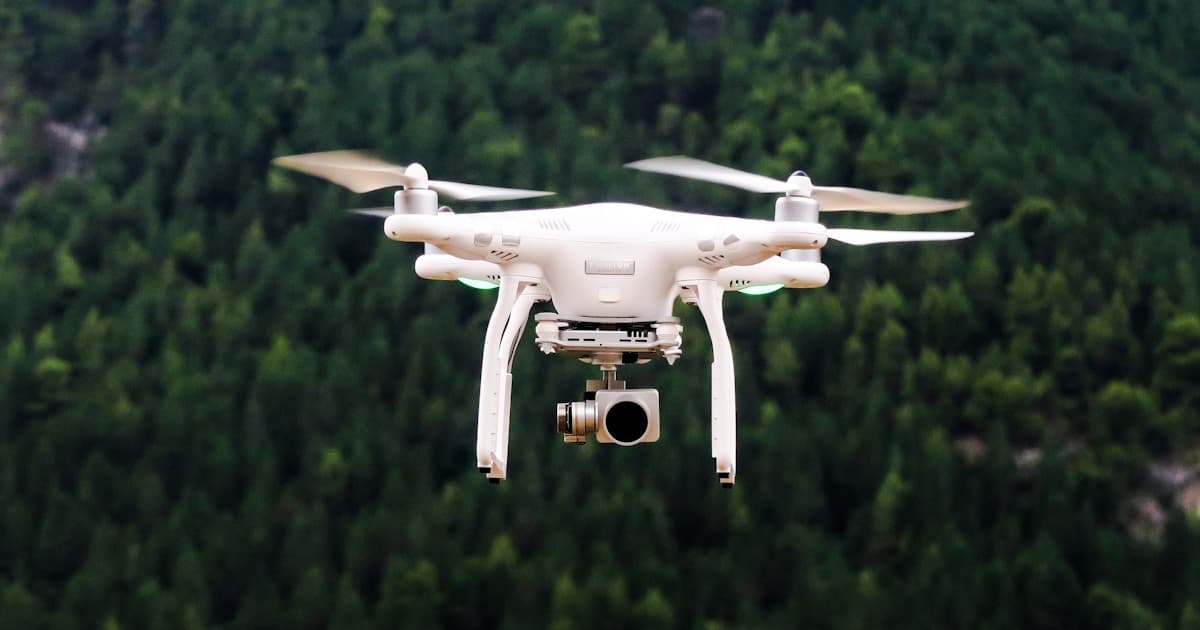
Here's what makes Hivemind different from traditional defense software: it's hardware-agnostic. It doesn't care what aircraft it's running on. A V-BAT surveillance drone, an F-16, a next-gen stealth fighter — Hivemind treats them all as execution platforms. In an industry where Boeing software only runs on Boeing aircraft, this is revolutionary.
| Year | Milestone | Significance |
|---|---|---|
| 2015 | Founded, Nova drone | GPS-denied autonomous flight |
| 2019 | First DoD deployment | Combat building reconnaissance |
| 2022 | V-BAT acquisition | Vertical takeoff surveillance capability |
| 2023 | Series F, $5.6B | $2.8B valuation |
| 2025 | Hivemind selected for CCA | Air Force next-gen fighter program |
| 2026 | Series G, $1.5B | $12.7B valuation |
Inside the Deal — Why the Air Force Picked Hivemind
The CCA Program Explained
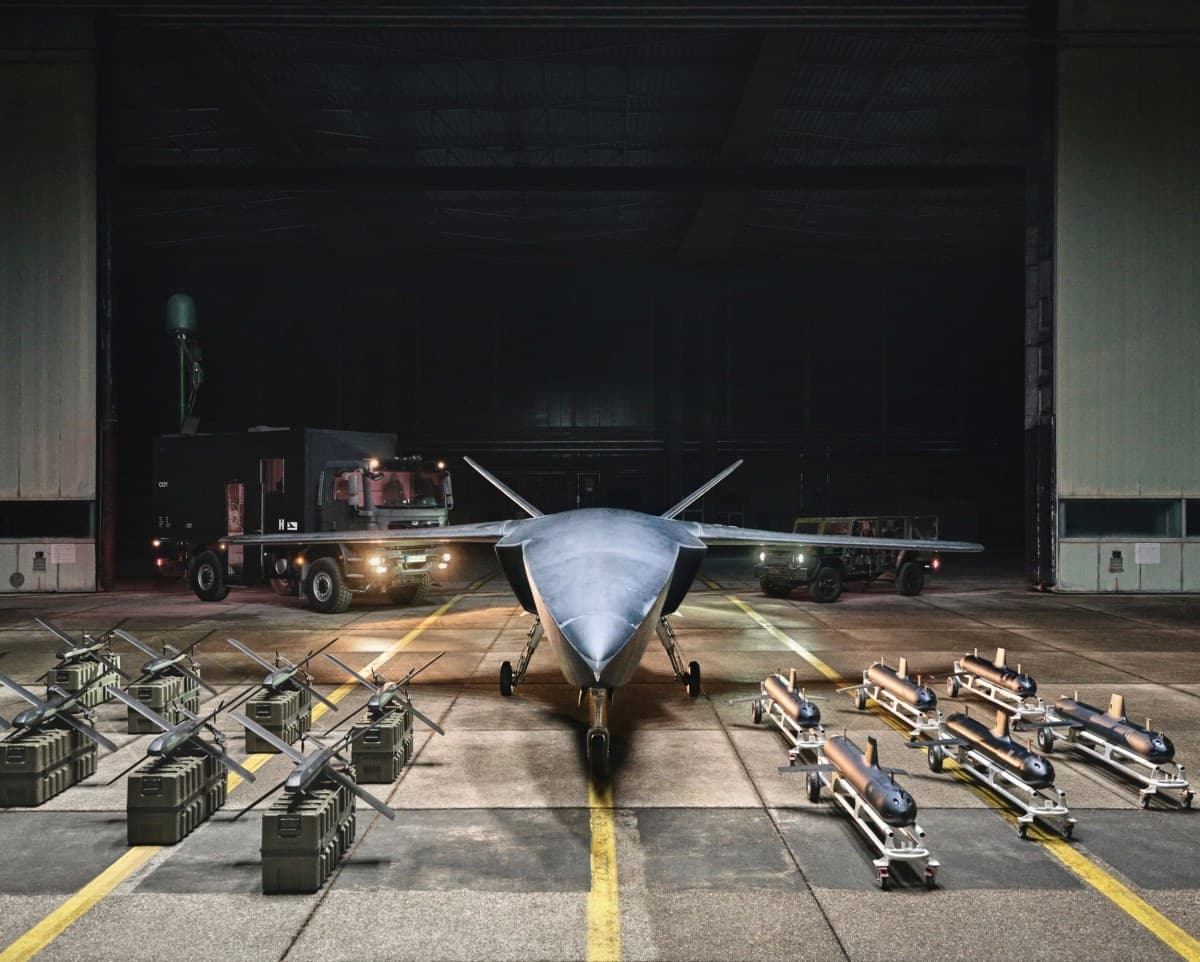
CCA stands for Collaborative Combat Aircraft. Think of it as unmanned wingmen that fly alongside human-piloted jets like the F-35. The Air Force considers this the future of air combat — swarms of AI-driven aircraft working in concert with human pilots.
On February 26, 2026, something unprecedented happened. The Air Force ran a test where its YFQ-44A prototype switched between Shield AI's Hivemind and Anduril's Lattice AI during the same flight, completing missions with both systems. It was the first time mission autonomy software had been decoupled from the airframe.
This is like being able to swap Android and iOS on the same phone mid-call. In defense procurement, where vendor lock-in has been the norm for decades, this represents a philosophical shift.
Where the Money Goes
A significant chunk of the $1.5 billion will fund the acquisition of Aechelon Technology, a military simulation software company. Real flight testing costs millions per sortie. Simulation lets you train Hivemind on tens of thousands of scenarios before a single real flight.
The remainder goes toward scaling V-BAT drone production and developing a new combat drone, with first flight targeted for late 2026.
| Detail | Spec |
|---|---|
| Total capital | $1.5B Series G + $500M preferred equity = $2B |
| Valuation | $12.7B (140% YoY increase) |
| Lead investors | Advent International, JPMorgan Chase |
| 2026 projected revenue | $540M+ |
| Aechelon acquisition | Military simulation software |
| New combat drone | First flight targeted late 2026 |
The Bigger Picture — Defense AI's Arms Race
Shield AI isn't alone in this space. The entire defense AI market is on fire.
Anduril Industries, founded by former Oculus creator Palmer Luckey, is Shield AI's primary rival. Its Lattice AI platform competed head-to-head with Hivemind on the CCA test flight. Anduril hit a $14 billion valuation in 2025 and is developing the Fury combat drone and Ghost Shark underwater vehicle.
Skydio has locked down major US Army contracts for autonomous reconnaissance drones. Palantir Technologies is expanding its AIP battlefield analysis platform across NATO allies.
The macro trend is "software-first defense." Legacy contractors like Lockheed Martin and Northrop Grumman built hardware and treated software as an afterthought. Now the AI software is the core asset, and the aircraft is just the execution platform.
What Shield AI's $12.7 billion valuation really says is this: in future warfare, the most expensive thing isn't the missile. It's the AI deciding when to launch it.
What This Means for You
If you're not in defense tech, here's why this still matters.
First, the concept of hardware-agnostic autonomy software has implications far beyond defense. Tesla's FSD only runs on Teslas. Waymo's system only works on its vehicles. If defense breaks down the wall between software and hardware, civilian autonomous systems could follow.
Second, the AI safety conversation is expanding into military territory. Autonomous combat drones sit at the frontier of "can AI be trusted with lethal decisions." Shield AI emphasizes human-on-the-loop control, but in combat scenarios where millisecond decisions matter, the practical boundaries of human oversight are actively debated.
Third, the defense AI talent war directly affects the broader AI job market. Shield AI employs over 1,800 people and is aggressively hiring, particularly reinforcement learning and simulation specialists. These are the same people every AI lab wants.
Sources
- Defense startup Shield AI lands $12.7B valuation after US Air Force deal – TechCrunch
- Shield AI projecting more than $540M in revenue – Fortune
- Shield AI raises $1.5 billion to acquire Aechelon – Resilience Media