Apple finally tore Siri down to the studs — but the brain isn't Apple's
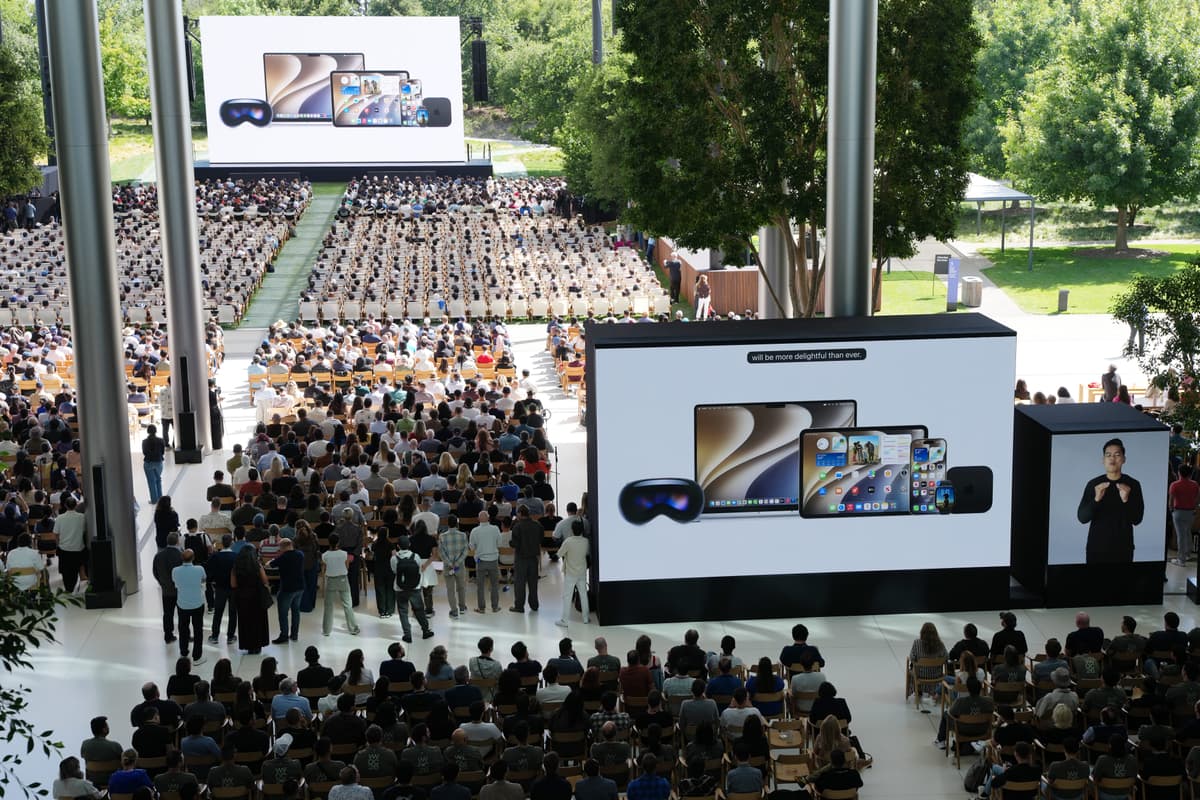
Here's the deal: on June 8 at Apple Park, Tim Cook walked on stage and said the thing people had waited years to hear. "We rebuilt Siri from the ground up." That's Siri AI — the same Siri that had become a punchline for being dumb, rebuilt and shipped as something genuinely new.
The twist is the brain. The new Siri doesn't run on a model Apple built itself. It runs on Google Gemini — a custom mixture-of-experts model with roughly 1.2 trillion parameters, about eight times the size of Apple's own in-house cloud model (~150 billion). Apple pays Google around $1 billion a year for it. The privacy company, the company with so much AI pride, ended up renting its brain from its biggest rival.
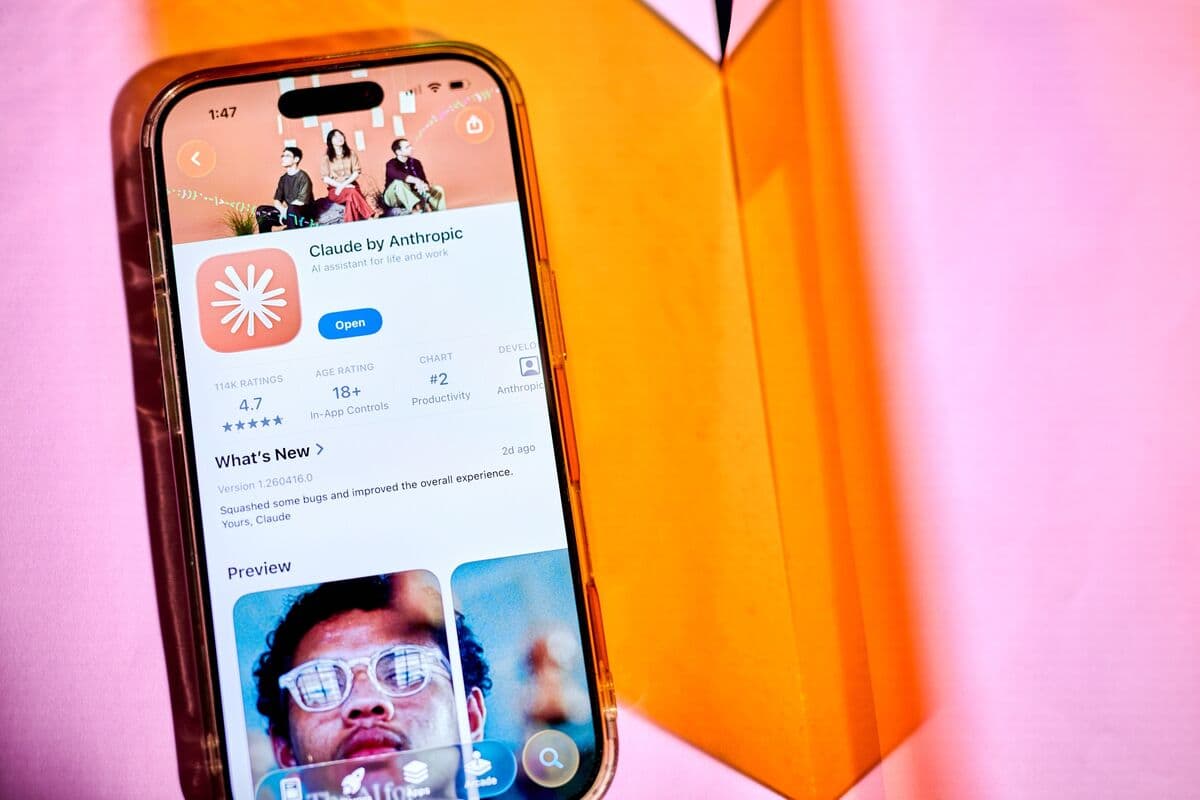
And there's a bigger bomb. iOS 27 ships with "Extensions" — a system that lets you pick a third-party chatbot like Claude, ChatGPT, Gemini, or Grok and route your requests to it from inside Siri. For the first time, an iPhone can treat Claude as its default AI. Instead of locking itself to a single partner, Apple turned AI into something you select like an app. That's the real headline of this WWDC.
The cast — who's who
Start with Apple. No introduction needed, except that in AI it was oddly behind. It launched Apple Intelligence in 2024, but the core Siri overhaul kept slipping, and "Apple is late to AI" became the running narrative. As a company that markets privacy, Apple was also uneasy about cloud AI that hoovers up user data. So this is Apple swallowing its pride and bringing in an outside model as the brain.
Next is Google, which just claimed the brain seat of Apple's Siri with Gemini. The company already tied to Apple through a ~$20B/year search deal is now embedded at the deepest layer of Apple's AI too. It collects ~$1B a year and gets Gemini onto billions of iPhones — cash and reach in one move. For a Google fighting search-monopoly suits, "we're core to AI too" is a powerful talking point.
Then the quiet winners: Anthropic and OpenAI. Extensions opens a path for Claude and ChatGPT to plug directly into iPhone's Siri. Claude in particular had never lived at the iPhone system level before; now it's one of the default options. Tell Siri "send my coding and writing to Claude," and Siri hands those off.
And the host of it all, Tim Cook. This WWDC was noted as his last keynote as CEO. Apple's most important pivot — into AI — got wrapped up by Cook himself on his way out. The symbolism is heavy.
What exactly got announced
Let's get the facts straight. The Siri AI Apple revealed on June 8 uses a custom Google Gemini model — running in Apple's own data centers — as its brain. The model is ~1.2 trillion parameters, MoE. Apple signed a multi-year deal to use it, and the framework of that deal was actually announced earlier, on January 12, 2026. So this WWDC wasn't a deal announcement; it was a product reveal. That distinction matters — the deal itself is old news, the shippable feature is the new news.
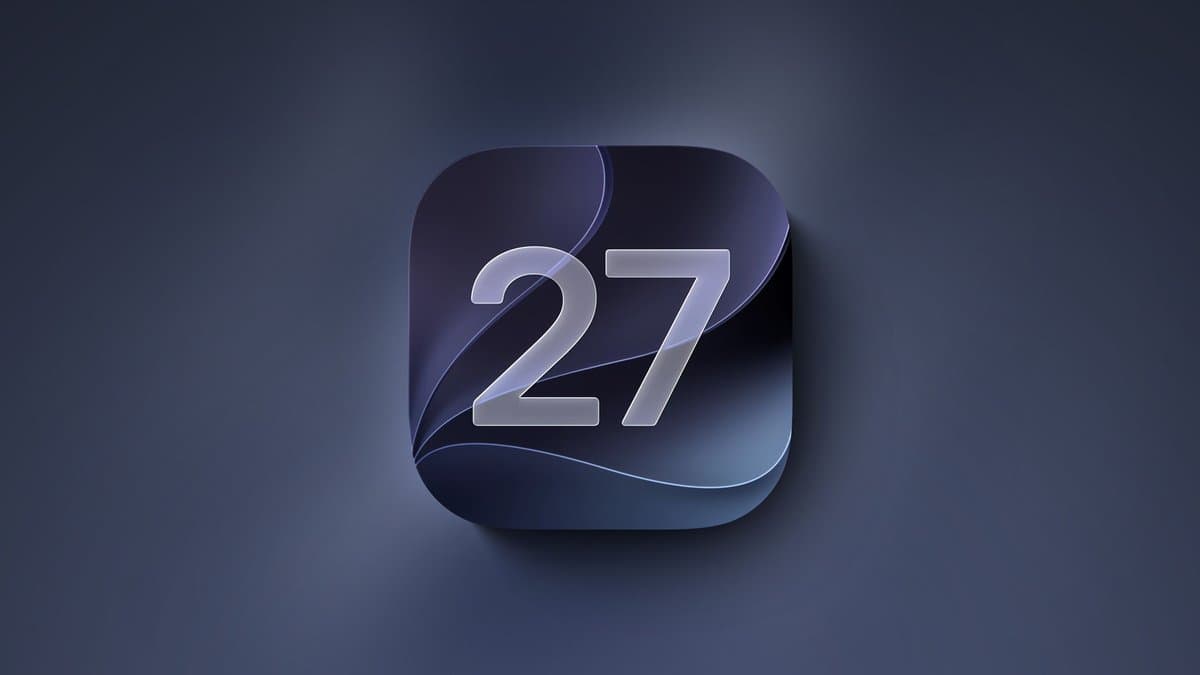
The most-watched feature is Extensions in iOS 27, iPadOS 27, and macOS 27. Users can pick a preferred external AI inside system features like Siri, Writing Tools, and Image Playground. Claude, ChatGPT, Gemini, Grok and others register through an App Store marketplace, and once you set one as default, that AI replaces or augments Siri across Apple Intelligence. Previously only ChatGPT got a handoff; Apple blew that open into a multi-AI marketplace.
Siri AI lives right in the Dynamic Island. Summon it with the side button, a swipe down, or "Hey Siri." There's also a new standalone Siri app that looks a lot like the ChatGPT or Claude apps — an "Ask Siri" bar for typing, voice input, and a paperclip to attach images, PDFs, and documents. Conversation history syncs through iCloud. Apple basically built its own chatbot app.
Privacy runs through Apple-silicon "Private Cloud Compute" (PCC). Apple says PCC sits between the user and Google's servers, that interactions sent to Gemini are anonymized, and that they aren't stored or used for training. One catch: due to the regulatory climate, Siri AI won't be available in the EU or China at launch.
| Item | Detail |
|---|---|
| Reveal date | June 8, 2026, WWDC 2026 keynote |
| Core product | Rebuilt "Siri AI" + iOS 27 "Extensions" |
| Siri's brain | Custom Google Gemini, ~1.2T params, MoE |
| Scale | ~8x Apple's ~150B in-house cloud model |
| Google deal | ~$1B/year, multi-year (framework first set Jan 12) |
| Extensions | Pick Claude / ChatGPT / Gemini / Grok inside Siri |
| Invocation | Dynamic Island, side button, swipe, "Hey Siri" |
| Standalone app | New Siri app (text, voice, attachments, iCloud sync) |
| Privacy | Private Cloud Compute (PCC), anonymized, no training |
| Not available | EU and China (at launch, regulatory) |
The picture is clear. Instead of building the smartest brain, Apple rents one from Google and layers "I choose my own AI" on top. Brain outsourced, experience Apple-owned — that's the new strategy.
What each side gets
Apple first. The big win is time. Building a frontier 1.2T-class model from scratch takes years, and during those years Siri keeps getting mocked while users drift to the ChatGPT app. Apple filled that gap in one move by renting Google's model. At the same time, Extensions gives it the "we're not locked to any one AI" story. If Apple's own model gets good enough later, it just swaps the brain — an exit ramp built in from day one.
Google is the obvious winner. After search, it's now Apple's core partner in AI too, with ~$1B in cash plus distribution onto billions of devices. Being "the most-used model" is a massive edge in both data and scale. The flip side is antitrust: Apple and Google getting even more entangled won't look pretty to regulators.
Anthropic and OpenAI get a door opened. By choosing a marketplace over a single partner, Apple lets Claude and ChatGPT properly enter the iPhone system. For Anthropic it's especially meaningful — Claude has been strong with developers and enterprises but weak on consumer reach. Now an iPhone user can make Claude their default AI in one setting. That's the widest possible bridge into consumer.
Users win too. The old reality was "Siri is dumb and there's nothing you can do." Now the brain is smarter (Gemini), and if you don't like it you can switch to Claude or ChatGPT. AI power users can run the same multi-AI, task-by-task workflow on their phone that they already run on desktop.
History check — does "outsourcing the brain" actually work?
Big platforms borrowing a core capability is an old story, and the most famous example is literally Apple and Google's search deal. Apple sets Google as Safari's default search and collects ~$20B a year. Rather than build its own search, it borrowed the best, protected the user experience, and got paid. This Siri-Gemini deal is the AI version of that — same logic, same partner, just moved from search to the assistant. The search deal has run for two decades, which is proof the model works.
Another success: Microsoft. Instead of building AI from scratch, MS poured money into OpenAI and put its models into Copilot across its products. Brain from OpenAI, distribution and integration from MS — that combo made Microsoft the fastest mover in the AI shift. Apple's play is a near-copy: take the core model from outside, mount it on your OS and device distribution, and create value there.
But the shadow of failure is real. Depending on an outside party for a core feature means giving up some leverage and some control over your fate. The MS-OpenAI relationship got tense, and MS eventually started building its own models (the MAI series). Apple could hit the same dilemma. What if Google raises the price, steers the model in a direction Apple dislikes, or the deal gets blocked by regulators? That's exactly why Apple keeps running its own cloud model and layered Extensions on top — insurance against single-vendor dependence.
So here's the takeaway. Outsourcing the brain is genuinely effective for entering a market fast — search and MS-OpenAI prove it. But long term, the cost of dependence follows. Apple's real test is whether it can grow its own model while Gemini buys it time, and eventually bring the brain back in-house. If it can't, Apple may end up renting the single most important layer of AI from Google forever.
Competitor counter-plays — how do the others respond?
First, Samsung and the Android camp. Once Apple arms Siri with Gemini, Android's "Google Assistant/Gemini" advantage dilutes — Apple users now run the same Gemini. Samsung needs to differentiate Galaxy AI harder, likely by leaning into on-device features or pulling in non-Gemini models to argue "Android is more open."
OpenAI is in a delicate spot. ChatGPT can enter the iPhone via Extensions, but the brain seat — default Siri — went to rival Google. OpenAI lost the biggest slice, "the iPhone's default brain," to Google. Expect OpenAI to push harder on its own device strategy (the Jony Ive hardware project) and on the ChatGPT app's own experience. To avoid being just "one option inside Apple," it has to grow its own ecosystem.
Anthropic's counter-play is depth. Claude is strong at coding, writing, and complex reasoning, so it'll dig into the "serious work goes to Claude" position inside the iPhone. Let basic chit-chat go to default Siri (Gemini), route the real work to Claude — nudge that pattern and Claude can win a real place even without being the default brain. Fixing its weak consumer reach via the iPhone is the core play.
Regulators are unavoidable players too. Apple and Google entangling on AI after search will draw US and EU antitrust attention. The fact that Siri AI launches without the EU and China isn't unrelated to that pressure. If the AI deal lands on an antitrust docket like the search deal did, the whole structure could shake. Rivals will work that regulatory angle hard.
Finally, Apple's own next move. Apple keeps growing its in-house cloud model — today it's 150B, an eighth of Gemini, but a few generations could narrow the gap. The long-game scenario is clear: keep multi-AI choice via Extensions while quietly scaling its own model, then one day swap the brain back to Apple's. This deal isn't the end; it's round one of a long game.
So what actually changes — by audience
For everyday iPhone users, the effect is big. First, Siri finally gets smart — with a 1.2T-param Gemini brain, complex questions, multi-turn conversations, and document understanding all jump. If you don't like it, switch to Claude or ChatGPT in settings. Caveat: EU and China users can't use it at launch. And the new standalone Siri app with attachments means you'll often skip opening the ChatGPT app entirely.
For developers and power users, Extensions is the real opportunity. You can now wire Claude and ChatGPT into the iPhone — the largest mobile platform — at the system level, running multi-AI routing naturally on mobile. "Call it up with Siri → have Claude write code → search with Gemini" becomes a real workflow.
For investors, watch the power shift. Google now holds both search and the AI assistant's brain, expanding its influence. Anthropic and OpenAI gain iPhone-scale consumer distribution — especially good for Anthropic, which lacked consumer reach. Apple, meanwhile, leaves a question mark over its own AI capability by outsourcing the brain. Regulatory risk is the biggest variable — keep the chance of an Apple-Google AI antitrust fight on your radar.
Zoom out and this is a signal that the "device power map of the AI era" is being redrawn. Whoever held the OS used to be king; now power is splitting — OS by Apple, brain by Google, options from Anthropic and OpenAI. Apple owns hardware and experience, the model companies supply brains, and users pick their AI on top. AI hardening into a layered ecosystem rather than one company's monopoly is the real picture this WWDC revealed.
🥄 Three Things You're Probably Wondering
— Siri runs on Google Gemini now? Then where's Apple's AI? Yes — the new Siri AI's brain is a custom Google Gemini model (~1.2T params) running in Apple's data centers. But Apple also keeps running its own cloud model (~150B). The heaviest reasoning goes to Gemini; Apple owns the experience, privacy, and integration. Apple borrowed the brain, not the experience.
— Can I really set Claude or ChatGPT as my Siri default? Yes. Through iOS 27 "Extensions," you can pick external AIs — Claude, ChatGPT, Gemini, Grok — in system settings, and that AI replaces or augments Siri across Apple Intelligence. This is the first time an iPhone can treat Claude as its default AI.
— Does all my Siri conversation get sent to Google? What about privacy? Apple says Private Cloud Compute (PCC) sits between you and Google's servers, that interactions sent to Gemini are anonymized, and that they aren't stored or used for training. Still, since an external model is involved, it's wise to be careful with sensitive information.
— Can I use it in Europe or China? Not at launch. Due to the regulatory climate, Siri AI isn't available in the EU or China at release. Timing may shift depending on regulatory talks.
References
- WWDC 2026: What to expect, from Siri's revamp to Apple Intelligence and iOS 27 — TechCrunch
- WWDC 2026: Apple makes its big Siri AI reveal, changes Liquid Glass and more — CNBC
- Apple iOS 27 Extensions Opens Third-Party AI Marketplace — Claude, ChatGPT, Gemini — AI Weekly
- What to Expect From WWDC 2026: Gemini-Powered Siri, iOS 27, macOS 27 — MacRumors
- Apple Nears $1 Billion-a-Year Deal to Use Google's 1.2T-Param Gemini for Siri — Bloomberg
Numbers and criteria are as of announcement and may change. Investment calls are yours to make!