A dazzling listing, a shadowed chatbot
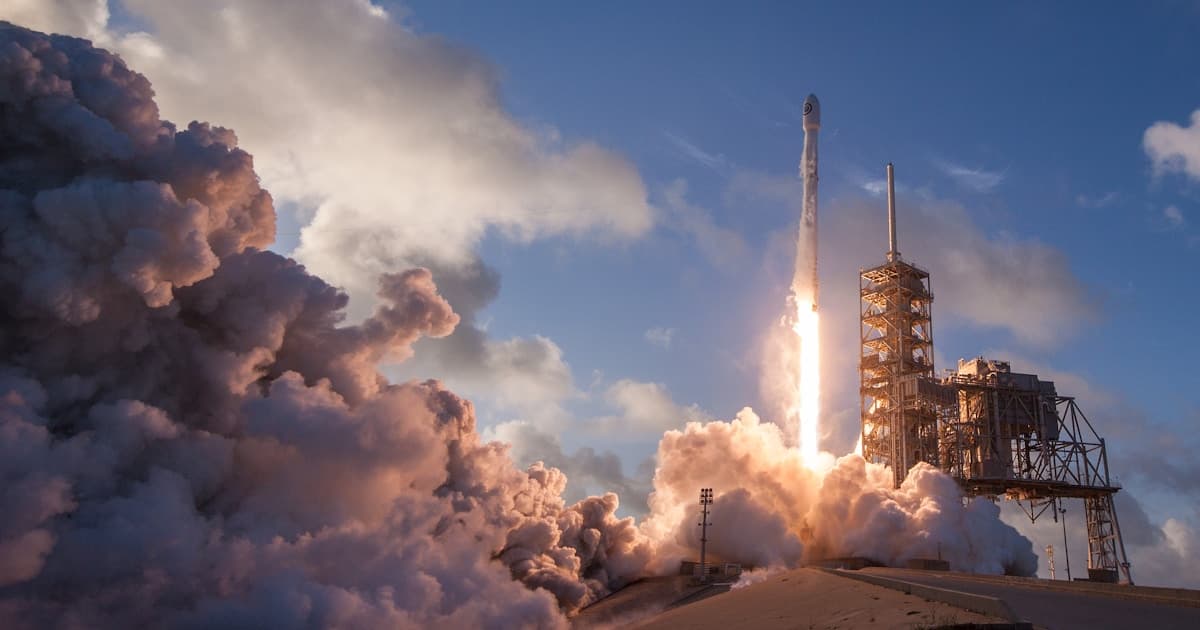
On June 12, SpaceX made a splashy Nasdaq debut — a record-class IPO that popped on day one and lit up the market. The crown jewel of Elon Musk's empire finally hit public markets. But in one corner of that bright stage sits a shadow that's easy to miss: Grok, the chatbot from xAI, now a SpaceX subsidiary.
The numbers are cold. Grok's monthly app downloads collapsed from over 20 million in January to about 8.3 million in April — roughly 60% gone in just three months. A chatbot once spotlighted for being "the only AI with X's real-time data" is watching its user base crumble fast. The dazzling parent IPO versus the shrinking subsidiary chatbot — that contrast is the heart of this story.
Why the collapse? Pulling the reporting together, the cause is fairly clear. In March 2026, xAI ended free access to its Grok Imagine image tool, moving it behind a $30/month "SuperGrok" subscription. An April app update further restricted the free tier. Done without much explanation, the changes set off social-media frustration, broke user trust, and accelerated the exodus.
The players — Musk, xAI, and an empty Colossus
The first player is Elon Musk and his AI bet, xAI. Musk folded xAI into SpaceX to form the combined "SpaceXAI" structure. Grok is the consumer face of that union — ambitious at launch, but it never reached Anthropic- or OpenAI-level competitiveness. Despite the exclusive asset of X's real-time data, it couldn't close the gap to the leaders on key benchmarks and user satisfaction.
The second player is the Colossus data center — the giant GPU cluster xAI invested heavily in to train its next model (Grok 5). With Grok struggling, utilization cratered. Per reporting, Colossus at one point ran at ~11% utilization. A multi-billion-dollar piece of infrastructure idling away — about the worst capital efficiency imaginable.
The third player is, surprisingly, Anthropic. The very rival Musk has long attacked — yet SpaceX struck a deal to rent that empty Colossus capacity to Anthropic. Anthropic needed compute to handle exploding demand; SpaceX needed to monetize idle assets. "Sleeping with the enemy," sure, but economically rational for both. Some analysts argue that idle capacity is exactly what made the big Anthropic compute deal possible.
Where xAI stands, by the numbers
| Item | Detail |
|---|---|
| Grok downloads (Jan) | 20M+ /month |
| Grok downloads (Apr) | ~8.3M /month (≈ -60%) |
| Cause | Ended free Grok Imagine, $30/mo SuperGrok, restricted free tier |
| Colossus utilization | ~11% at one point |
| Idle-asset use | Compute rented to Anthropic |
| Parent | SpaceX (Nasdaq debut June 12) |
The most painful part: it lost despite holding an exclusive asset. Grok had a differentiator rivals couldn't copy — sole access to X's real-time data. That users still fled shows "owning the data" doesn't automatically become "owning the product." In the end, users move based on "how well does it answer and how reasonably does it charge," not "what data does it hold."
The second point is the monetization backlash. Yanking previously free features behind a paywall and restricting the free tier can help short-term revenue. But done without enough communication, users feel betrayed and leave. Grok's 60% download collapse is a textbook case of how rushed monetization eats growth.
The third point is the bill for over-investing in infrastructure. Musk bet huge on Colossus on the belief that "compute is AI competitiveness." But with too little demand (Grok users, training workloads) to fill it, the giant infrastructure became a cost-only burden — and the one easing that burden is, ironically, rival Anthropic. That's the biggest irony of the story.
Who got what
SpaceX raised enormous capital via the IPO, proving "space, not AI, is the cash cow." Even with xAI/Grok struggling, the core business (launch, Starlink) is valuable enough that the combined listing could succeed. And renting idle Colossus to Anthropic partly converts a "failed AI bet" into a "rental-revenue asset." For Musk, the group can absorb the loss even if Grok loses.
Anthropic secured badly needed compute. Government drama aside, Anthropic has been perpetually short of infrastructure to handle a surge of a million signups a day — so borrowing a rival's idle capacity to meet that demand was rational. "Musk's failure helped Anthropic grow" captures the strange interdependence of the AI industry.
Regular users get a lesson from Grok's stumble: flashy marketing or exclusive data matter less than a product that "actually works well and charges reasonably." Users are colder than you'd think — fall short, or suddenly ask for more money, and they leave without sentiment.
Past parallels — wins and losses
"Trusted an exclusive asset and neglected product polish, then collapsed" is common in tech history. Plenty of products had strong distribution or data yet lost the market on user experience. The lesson is always the same: an exclusive asset is a head start, not a finish-line win. Grok, too, failed to convert its X-data head start into product strength.
"Ruined growth with rushed monetization" is just as common — fast-growing services that suddenly gated free features and pushed payments, then crumbled on churn. Balancing the growth and monetization phases is SaaS's eternal puzzle, and Grok looks to have made the classic mistake of monetizing before its user base hardened.
The common thread in the successes: product first, monetization later. Services that introduced charges only after the user base was thick and the value clear minimized churn and stuck the landing. It's a timing problem. Grok's failure is more about "when" than "what."
Competitor counterplay — how the rest read it
Anthropic and OpenAI see Grok's slump as confirmation that product polish and trust win out. Steady model-quality improvement and reasonable pricing retain users better than infrastructure flexing or exclusive data. Anthropic in particular is absorbing both Grok defectors and ChatGPT switchers at once.
Google and Meta are firming up stable bases with "free/cheap on top of massive distribution." While Grok collapses on rushed paywalls, they're going the opposite way — putting AI for free in front of huge user bases to lock in habits. Classic platform playbook: distribute first, monetize later.
Investors now scrutinize "recoverability of AI infrastructure investment" harder. Bet big on compute like Colossus without demand to fill it, and the asset becomes a liability. The simple faith of "AI compute = guaranteed value" got a warning from the Grok case.
So what changes — depending on who you are
If you're a founder or product lead, take the monetization-timing lesson. Rushing to gate free features and push payments during the growth phase can lift short-term revenue while wrecking the user base that powers long-term growth — especially without communication. Grok's 60% collapse shows the danger vividly.
If you're an investor, look at both sides of the AI-infrastructure bet. Compute is clearly a core AI asset, but without demand to fill it, it's a giant cost block. When evaluating an infrastructure story, weigh "real demand to fill the capacity" as much as the capacity itself.
If you're a general observer, it reconfirms that AI competition is decided by product, not marketing or data. Even Grok — backed by Musk's enormous reach and X's exclusive data — lost users fast once it stumbled on polish and pricing. Real-world experience beats name recognition.
🥄 Three Things You're Probably Wondering
— Is Grok done? Too early to call. A 60% download drop is a clear warning, but xAI is training the next-gen Grok 5 on Colossus, backed by SpaceX's deep pockets. Room to rebound on a better product remains. Still, on current trends, the gap to the leaders is widening, not narrowing.
— Why rent compute to rival Anthropic? Economic logic. An empty Colossus running at 11% was a cost block; Anthropic desperately needed compute for surging demand. Musk's personal feelings aside, monetizing idle assets is rational for SpaceX. It shows the AI industry competes while being tied together by infrastructure.
— Is SpaceX's IPO success unrelated to Grok? Mostly separate. SpaceX's value is anchored by launch and Starlink; xAI/Grok is a relatively small piece, so the combined listing could succeed despite Grok's slump. How the market values the AI segment, though, will remain a variable for SpaceX's stock going forward.
Sources
- Grok downloads fall nearly 60% — Social Media Today
- Grok Is a Flop, But It May Not Matter to Elon Musk — Gizmodo
- SpaceX IPO: The Grok Failure That Made Anthropic's $15B Deal Possible — MarketWise
- Elon Musk's Grok AI Plummets: Downloads Crash 60% — JFeed
- SpaceXAI — Wikipedia
Numbers are as of reporting and may change. Investment calls are yours to make!