A Trillion Dollars Vanished and Came Back in a Week
Here's the deal: the first week of June 2026 was a roller coaster for AI chip stocks. $1–1.4 trillion in market cap evaporated in the June 3–4 selloff, then a rebound starting June 8 clawed much of it back in under a week. The whiplash compresses the market's anxiety and relief over one question: is AI-infrastructure demand real, or a bubble?
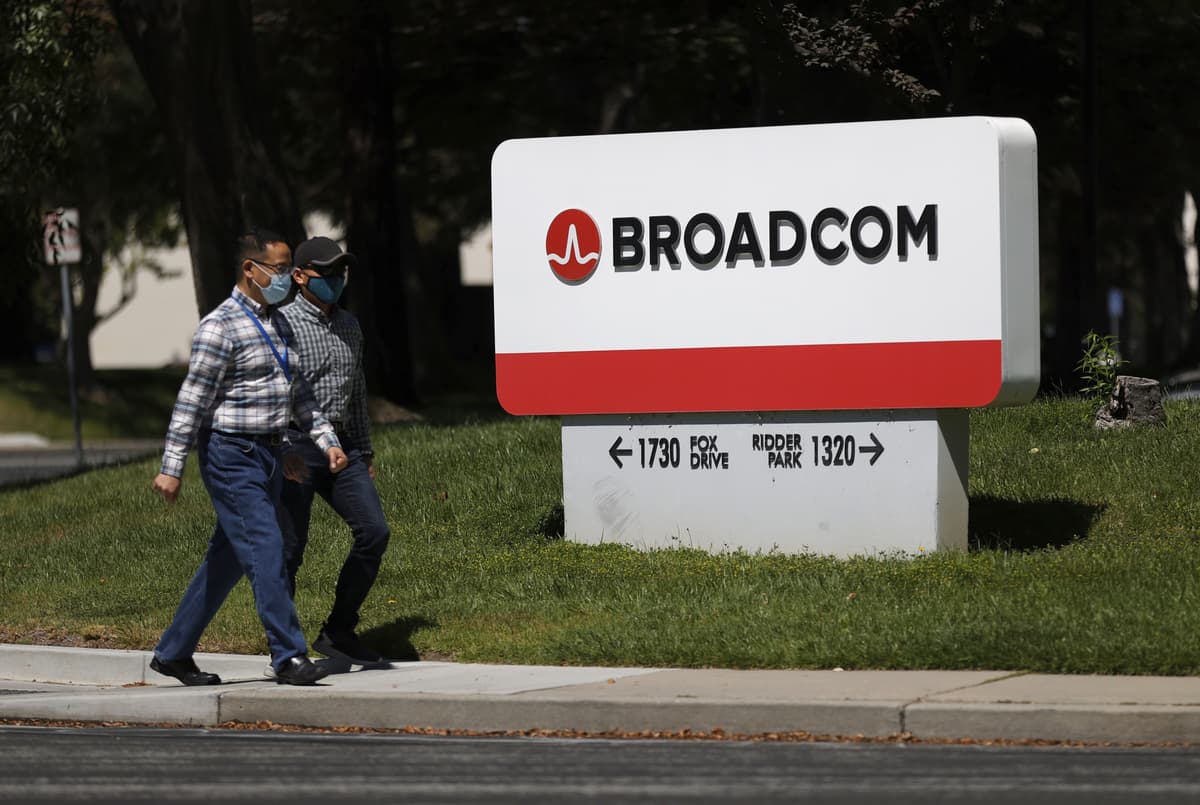
The trigger was Broadcom's June 3 earnings. AI chip revenue surged 143% to $10.8 billion — the number itself was strong — but Q3 AI revenue guidance came in about $1.2 billion below consensus. Read as "growing, but not as fast as expected," the inflated AI chip stocks collapsed. A hot jobs print piled on, stoking "rate cuts may be delayed" worries and fueling the selling.
The damage was brutal. The SOXX chip ETF fell 10%, AMD -10.9%, Intel -11.3% in double-digit drops, and bellwether Nvidia shed $740 billion in market cap. One tally pegged $1.4 trillion erased market-wide on June 4 alone. Fear that "the AI supercycle is finally cracking" gripped the market.
The Cast — Broadcom, Nvidia, and Market Psychology
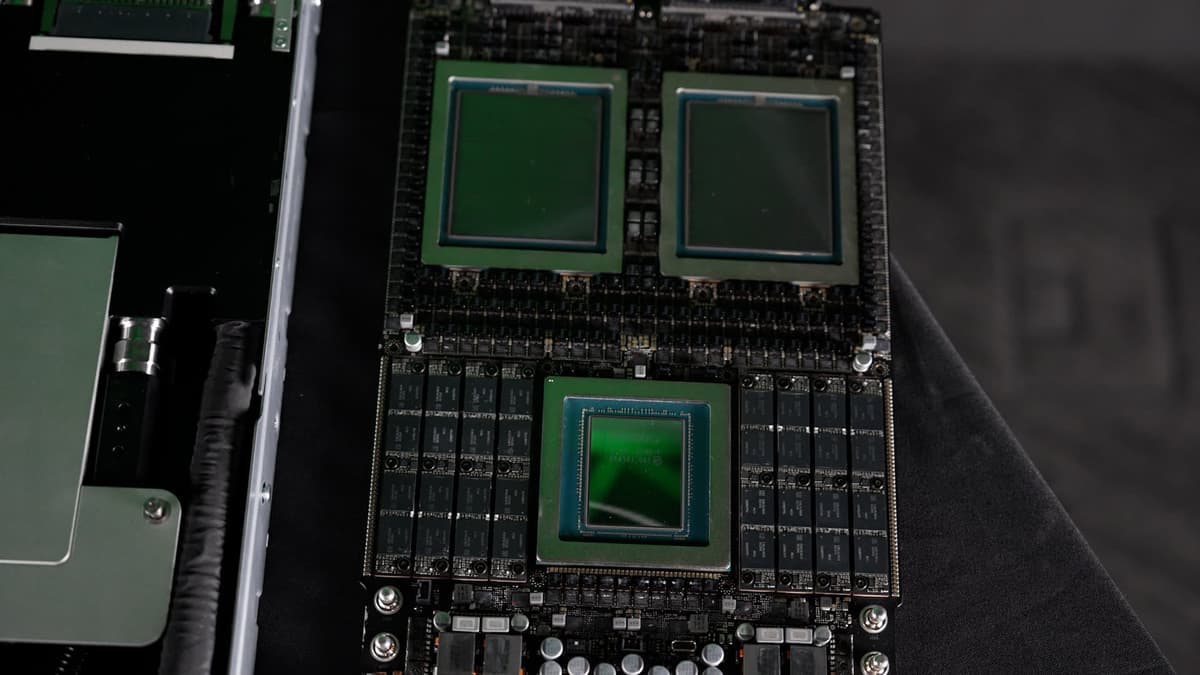
First, Broadcom and CEO Hock Tan — the trigger. Broadcom designs and supplies big tech's custom AI chips (ASICs), so its guidance is a barometer for "will AI-infra spending keep climbing?" When guidance fell short, the whole sector fretted "AI investment slowdown." The numbers were good, but missing on "expectations" was the crux.
Second, Nvidia and Jensen Huang — the absolute leader and the market's psychological anchor. When Nvidia wobbles, the whole sector wobbles; when it steadies, the sector relaxes. Nvidia's $740B drop was the peak of fear, and its rebound was the recovery's starting gun. In the AI rally, Nvidia is still "the captain."
Third, market psychology itself. The essence here wasn't a fundamental collapse but a temporary reversal of overheated expectations. With chip valuations stretched, a small disappointment (Broadcom guidance) triggered a big selloff (panic). Hence one outlet flat-out called it: "Wall Street selling chips in a panic was a mistake."
The Crash-and-Rebound Timeline
| Date | Event | Market reaction |
|---|---|---|
| June 3 | Broadcom Q2 (AI +143%, guidance miss) | Selloff begins |
| June 4 | Panic sell, $1.4T erased | SOXX -10%, AMD -10.9%, Intel -11.3% |
| June 8 | Rebound begins | SOXX enters recovery |
| June 10 | Oracle earnings surprise | Rebound accelerates, "demand is real" confirmed |
The key point: disappointment triggered it, evidence calmed it. Broadcom's "below expectations" guidance set off panic in an overheated market, and days later Oracle's "confirmed AI demand" (RPO +363%, GPU prepayments) calmed it. The crash was psychology; the rebound was fundamentals.
Oracle's timing was decisive. With the market torn over "is Broadcom's guidance a real demand slowdown or temporary noise?", Oracle proving "demand is hot enough that customers prepay for GPUs" tilted the debate. Two opposite signals — Broadcom (disappointment) and Oracle (proof) — in the same week were the core engine of this roller coaster.
Who Was Shaken
For short-term traders, the ride was both opportunity and trap. Those swept up in the June 4 panic took big losses; those who bought the lows pocketed rebound gains in a week — hence "Wall Street's panic was a mistake." But such volatility bets flip the other way if you mistime them, so don't judge purely in hindsight.
For long-term investors, this was a textbook case of fundamentals diverging from sentiment. AI chip demand's structural growth held (Oracle proved it), yet prices swung $1 trillion in a week on psychology. Long-term, such volatility is closer to "noise" — what matters is the demand/profit trend. But it also confirmed that high valuations swing hard on small disappointments.
For chipmakers, it underscored the weight of "expectations management." Broadcom grew revenue 143% and still became ground zero for the crash because guidance missed. Good results that fail the "market's eyeline" become bad news; Oracle, beating with backlog, rescued the sector. Even within one industry, "how you print vs. expectations" decides the stock.
Past Parallels — Growth-Stock Crashes
In growth sectors, "sharp drop then fast recovery" is common. In the dot-com era and the cloud/mobile growth phases, fundamentals stayed fine while valuation strain plus a small negative sparked short crashes that then reversed. This AI chip roller coaster fits that pattern — structural growth alive, the crash a temporary unwinding of overheating.
But "recovery isn't always fast" is the counter to remember. At true inflection points where fundamentals actually crack, a crash was the start of a trend change, not a dip — see the dot-com bust, where "this time is different" trapped people in long declines. Without Oracle proving "demand is real," June 4's crash could have read as a trend change rather than a recovery.
The lesson: in a growth-stock crash, the question is always one — is this an unwinding of overheating (noise) or a trend change (signal)? This time Oracle answered "noise," so the fast rebound was justified. But that answer differs every time — don't assume the next crash recovers the same way. You must re-check the fundamentals each time.
Competitor Counterplay — Sector Dynamics
This exposed the sector's internal mechanics. Broadcom's (ASIC) disappointment dragged Nvidia (GPU), AMD, and Intel down together — proof the market lumps them as one "AI infrastructure" basket. One company's guidance moves the whole sector's mood. In that correlation, each company's "counter" is to prove "we're different" with its own results and guidance.
For Nvidia, the crash showed "the captain's burden" — the biggest cap falls most when the sector shakes ($740B), but rebounds hardest too. Nvidia's next results and guidance will test sector sentiment again, and the market will treat it as the final verdict on "AI demand slowing or sustained."
Infrastructure providers like Oracle played the fascinating role of "non-chip company rescuing chips." Confirmed demand from the side that buys and deploys chips effectively guarantees future orders for the side that sells them. Going forward, "off-chip" signals — big-tech capex announcements, cloud-provider backlogs — will increasingly steer chip stocks.
So What Changes — By Reader
For investors, re-learn that AI chip stocks are as sensitive to sentiment as to fundamentals. In stretched valuations, even good results that "miss expectations" can spark a crash, and a single demand proof can spark a fast rebound. Focus on the big question — is AI demand's structural trend still alive? — rather than the swings. This time, Oracle answered "yes."
For semiconductor professionals, feel the weight of "expectations management." Revenue can grow while the stock collapses on guidance below the market's eyeline — a gap can open between solid fundamentals and stock price. You need the eye to tell which is the real signal when they diverge.
For everyone else, the big picture: the AI boom moves in waves, not a straight line. $1 trillion swinging in a week shows how taut the market's hope and fear are. Expect more "crash on a small negative, calm on evidence" patterns. What matters is watching, under the swings, where real demand and profit are actually heading.
🥄 Three Things You're Probably Wondering
— So should I buy chip stocks now? This isn't investment advice. Just the facts: the June 4 panic was more an unwinding of overheating than a fundamental collapse, and Oracle reconfirmed demand. That doesn't guarantee the next crash recovers the same way. High valuations mean high volatility — keep that in mind.
— Broadcom's results were good, so why the crash? Revenue grew 143%, but Q3 AI guidance came in about $1.2 billion below consensus. Stocks react to "versus expectations," not just the raw number. Failing to meet inflated hopes triggered the selling despite good results.
— Does this rebound end the AI-bubble worry? Too early. Oracle showed "demand is real," but the bubble debate's essence is whether this massive investment returns enough profit. Confirmed demand and proven profitability are separate — watch big-tech capex and chipmakers' guidance for the answer.
References
- AI Chip Stock Selloff Erased $1 Trillion; Oracle Earnings Offer Next Recovery Test — TechTimes
- Wall Street Sold Chip Stocks in a Panic Last Week. That Was a Mistake. — Money Morning
- Chip Stocks Rebound: Semiconductor Investment Strategy for June 2026 — Intellectia
Numbers and criteria are as of announcement and may change. Investment calls are yours to make!