Booming — but there's nothing to sell
Usually "we can't make enough to sell" is good news. But when it lasts for years, the story changes. At its June 4, 2026 shareholders meeting, the world's largest foundry, TSMC, formalized exactly that paradox. On one hand, a strong forecast of 30%+ revenue growth in 2026 (in USD); on the other, a warning that advanced chip supply won't catch up to AI demand for years. Boom and bottleneck arrived together.
The numbers back the boom. TSMC's Q1 2026 revenue hit roughly $35.7 billion, up about 35% year over year. Demand for the advanced nodes that make AI accelerators (Nvidia GPUs, all kinds of custom AI chips) is exploding and lifting the whole company. "30%+ growth" isn't mere hope — it's an extension of a reality already underway.
The problem is supply. CEO C.C. Wei told shareholders flatly that "global chip supply will trail AI-driven demand for years." On advanced nodes specifically (sub-7nm, sub-5nm), 2026 demand is set to exceed supply by roughly 25–30%, and the situation isn't expected to ease until 2027 at the earliest. Advanced-node capacity is reportedly sold out through 2027.
The players — TSMC, Nvidia, and an era where "can't build it" is the sin
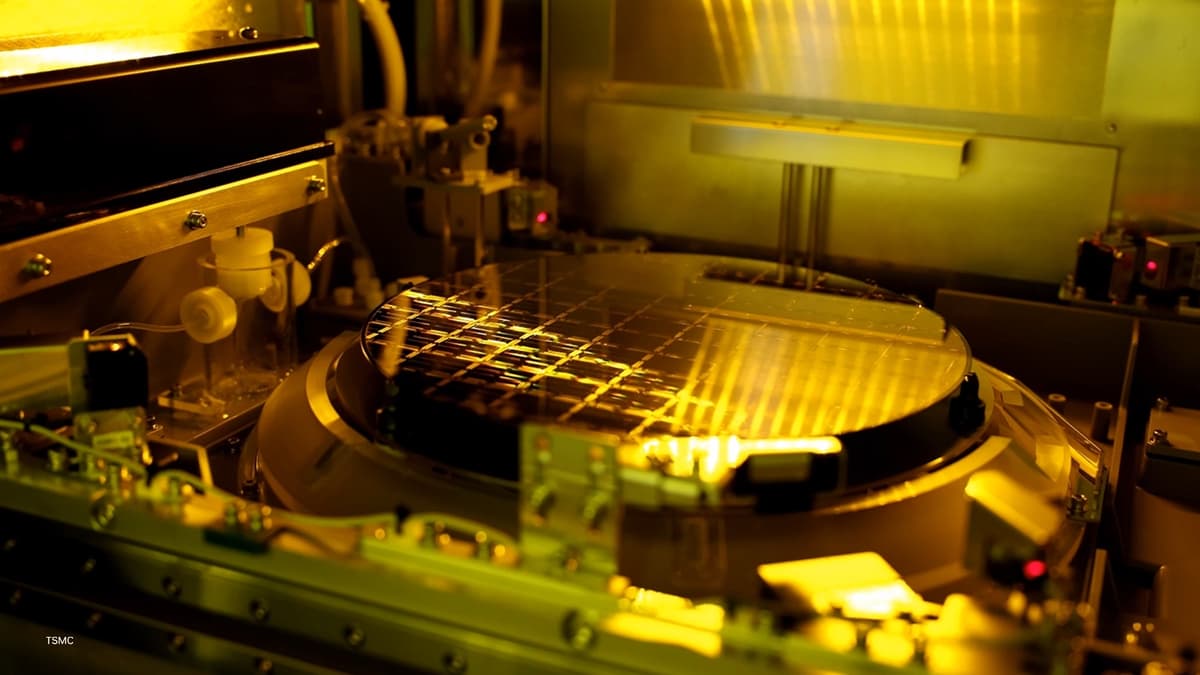
The first player is TSMC, which fabs the overwhelming majority of the world's advanced AI chips — effectively the physical bottleneck of the entire AI boom. However great a GPU Nvidia designs, however many chips Apple orders, it all has to pass through TSMC's fabs to become real. So TSMC's utilization and expansion pace set the growth ceiling for the whole AI industry.
The second player is the chip designers, led by Nvidia, who compete fiercely for TSMC's advanced-node capacity. When capacity is sold out, "how early and how much you secured" becomes competitiveness itself. Notably, Nvidia and TSMC are going beyond customer–supplier to collaborate on bringing AI into fab operations — computational lithography, defect inspection, factory scheduling. Using AI to build AI chips better: a self-reinforcing loop.
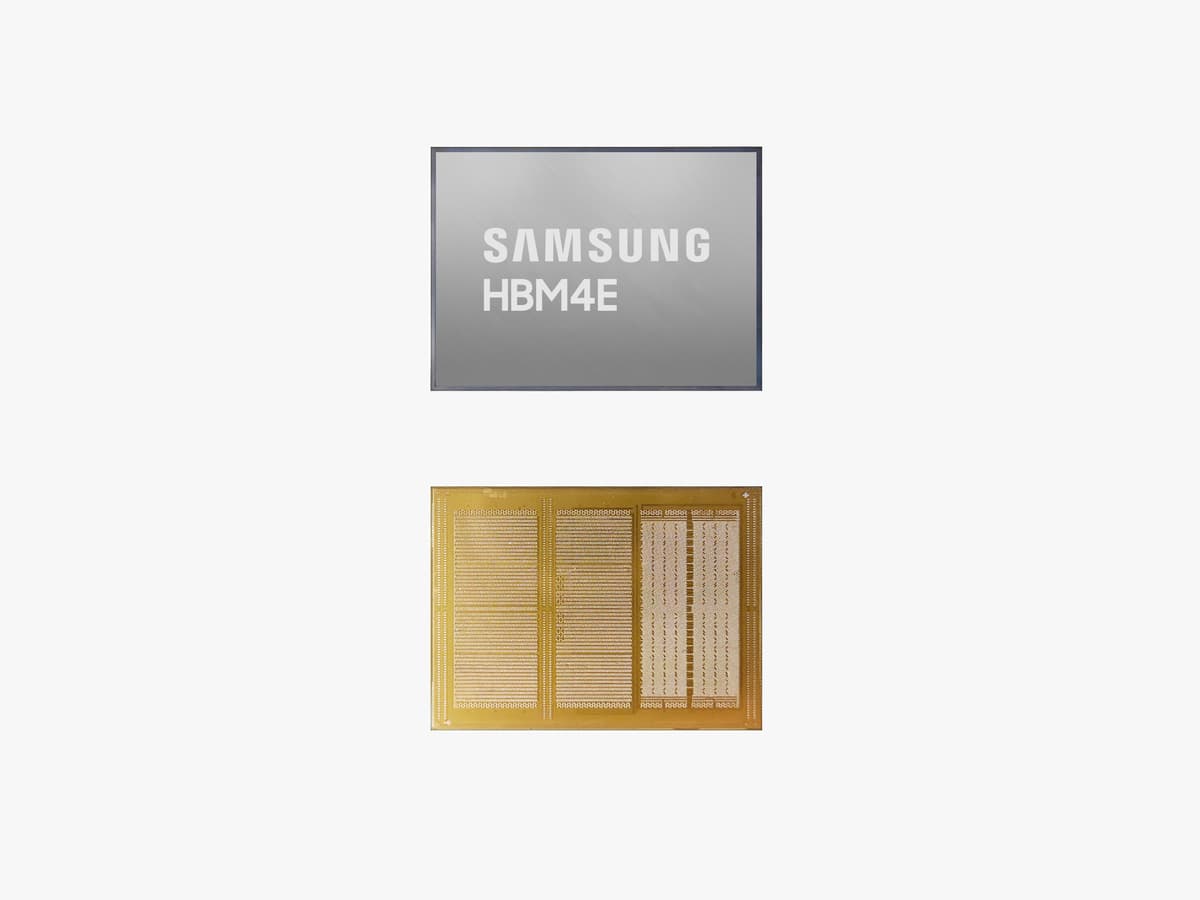
The third player is the memory camp (Samsung, SK Hynix, Micron). Reporting that Wei sent "a blunt message to memory rivals" reflects that AI chips are sold out not just in logic (TSMC) but in high-bandwidth memory (HBM) too. Building one AI accelerator needs both logic and memory, and with both scarce, the bottleneck is doubled.
The supply bottleneck, by the numbers
| Item | Detail |
|---|---|
| 2026 revenue outlook | 30%+ growth YoY (USD) |
| Q1 2026 revenue | ~$35.7B (+35% YoY) |
| Advanced-node balance | 2026 demand exceeds supply by 25–30% |
| Sold out | Advanced nodes effectively sold out through 2027 |
| Relief timing | 2027 at the earliest |
| Price hikes | Advanced nodes +3–10%; further ~15% on 3nm in H2 reported |
The key message is that the AI infrastructure cycle is long. Semiconductors usually ride boom-bust cycles, but TSMC's "years of shortage" warning suggests this AI cycle is structural, long-run demand — not a short bubble. If supply trails demand past 2027, AI infrastructure investment runs for at least several more years.
The second point is price. Scarce supply means rising prices. TSMC plans 3–10% increases on advanced nodes, with a further ~15% on 3nm reported for the second half. That cost can flow through customers like Nvidia into AI service prices. "AI keeps getting cheaper" and "core chip prices rise" operate at the same time — a curious phase.
The third point is the "AI to make AI chips" collaboration. Nvidia and TSMC bringing AI into fab operations is more than efficiency — it's an attempt to break the capacity bottleneck with technology: lifting yields via computational lithography, cutting defects with AI inspection, squeezing more output from the same equipment via scheduling optimization. Since building new fabs takes years, the strategy is to wring efficiency from existing equipment with AI in the meantime.
Who gains what from the bottleneck
TSMC holds the best negotiating leverage there is: "can't make enough to sell." Sold-out capacity makes price hikes easy and forces customers to queue — capturing 30%+ growth and pricing power at once. To keep that edge it must keep investing heavily in expansion, and if that investment misses the demand-slowdown timing, it becomes a burden. "Today's boom won't last forever" is the one real risk.
Customers who secured capacity early (Nvidia, etc.) gain a decisive edge over rivals — getting AI chips on time is revenue itself. Latecomers who failed to lock capacity can be stuck "great design, nowhere to build it." In a bottleneck era, securing manufacturing capacity becomes the core of strategy.
The memory camp (Samsung, Hynix, Micron) rides the HBM demand surge too. AI accelerators require high-bandwidth memory, so memory is as precious as logic. For them, the "AI memory supercycle" is the key earnings driver — though here too, expansion timing and demand durability are the variables.
Past parallels — wins and losses
The chip industry is a history of boom and bust. Specific chips (memory, GPUs) have repeatedly spiked in price amid shortage, then crashed on oversupply after everyone rushed to expand. The pandemic-era auto-chip crisis is the textbook case. When the shortage is acute and everyone bets on expansion, demand can cool right as the new capacity comes online — the "bullwhip effect" that's chronic in semis.
That's why TSMC's "cautious expansion" stands out. Even amid surging demand, TSMC tends to spread expansion risk by securing long-term customer commitments and prepayments rather than blindly building fabs. Critics say it deliberately keeps shortages long to preserve pricing power, but watching rivals collapse on over-expansion, that caution is part of what put TSMC on top.
The lesson is clear: the real contest in a bottleneck era isn't "how fast you expand" but "how accurately you read demand durability and invest accordingly." TSMC publicly stating "AI demand lasts years" signals real conviction about this cycle's durability — whether that conviction is right, time will tell.
Competitor counterplay — how the rest read it
Samsung and Intel Foundry see TSMC's sold-out state as opportunity. Customers who can't get TSMC capacity must look for alternatives, so if these foundries can lift advanced-node yields, they can capture some of the overflow. Catching TSMC on advanced-node yield and reliability is the catch, though — easier said than done.
Chip designers counter with "supply diversification" and "design efficiency" — securing multiple suppliers to reduce single-foundry dependence, and optimizing designs to deliver the same performance on smaller dies to cut per-chip manufacturing load. The longer the bottleneck, the more "how much value you extract from a single wafer" becomes competitiveness.
Hyperscalers (cloud providers) try to route around the bottleneck with in-house chips. Designing your own AI silicon (Google TPU, Amazon Trainium) steps you out of the Nvidia-GPU scramble. Of course, those custom chips still have to be fabbed at a foundry like TSMC, so they don't fully escape the bottleneck — but they do escape the "Nvidia queue."
So what changes — depending on who you are
If you're an AI infrastructure investor, you just got strong evidence for the cycle's longevity. The world's largest foundry publicly declaring "years of shortage" reads as a signal this AI boom isn't a short bubble. But don't forget the boom-bust history — keep checking demand durability.
If you're in enterprise IT or procurement, bake "rising AI hardware costs" into your budget. With advanced chip prices up and supply tight, GPU infrastructure cost and lead times can both grow. Locking in cloud GPU pricing and instance availability ahead of time matters more and more.
If you're a general observer, it helps to understand that AI's real limit isn't the algorithm but physical manufacturing capacity. Models advance fast, but making the chips to run them is a physical process needing giant fabs and years of time. AI's speed is ultimately tied to the speed of chip factories.
🥄 Three Things You're Probably Wondering
— Will the AI chip shortage really last until 2027? That's the CEO's outlook: advanced-node demand exceeding supply by 25–30%, with relief in 2027 at the earliest. But it's based on current demand forecasts — if AI demand cools faster than expected or expansion accelerates, the timeline could pull in. Too early to be certain.
— If chip prices rise, do AI services get pricier? Partly, possibly. Advanced-node price hikes feed into chip prices and AI infrastructure costs. But a strong countervailing trend — model efficiency and inference optimization doing "the same task cheaper" — can offset it. Where end-user prices land isn't simple.
— Can Samsung or Intel catch TSMC? There's an opening, since TSMC's sold-out state pushes overflow demand toward alternatives. But the crux is matching TSMC on advanced-node yield and reliability, which doesn't happen overnight. A longer bottleneck buys latecomers time — converting that time into yield is the real question.
Sources
- TSMC CEO warns chip supply won't meet AI demand for years — Crypto Briefing
- TSMC CEO C.C. Wei Warns of Prolonged Chip Shortage (2026 Shareholders Meeting) — IndexBox
- AI Chip Shortage Will Last Years, TSMC Warns — TechTimes
- TSMC CEO sends blunt message to memory chip rivals — TheStreet
- TSMC Says AI Chip Shortage Could Last Years — INDmoney
Numbers and outlook are as of the June 4 shareholders meeting and may change. Investment calls are yours to make!